
Destinations
Alicante: you come for the sea and come back for everything else
Rice dishes, the castle, the Roman Venus of La Almadraba, the new Las Cigarreras museum and The Ocean Race in January: Alicante is far more than sun and sand.
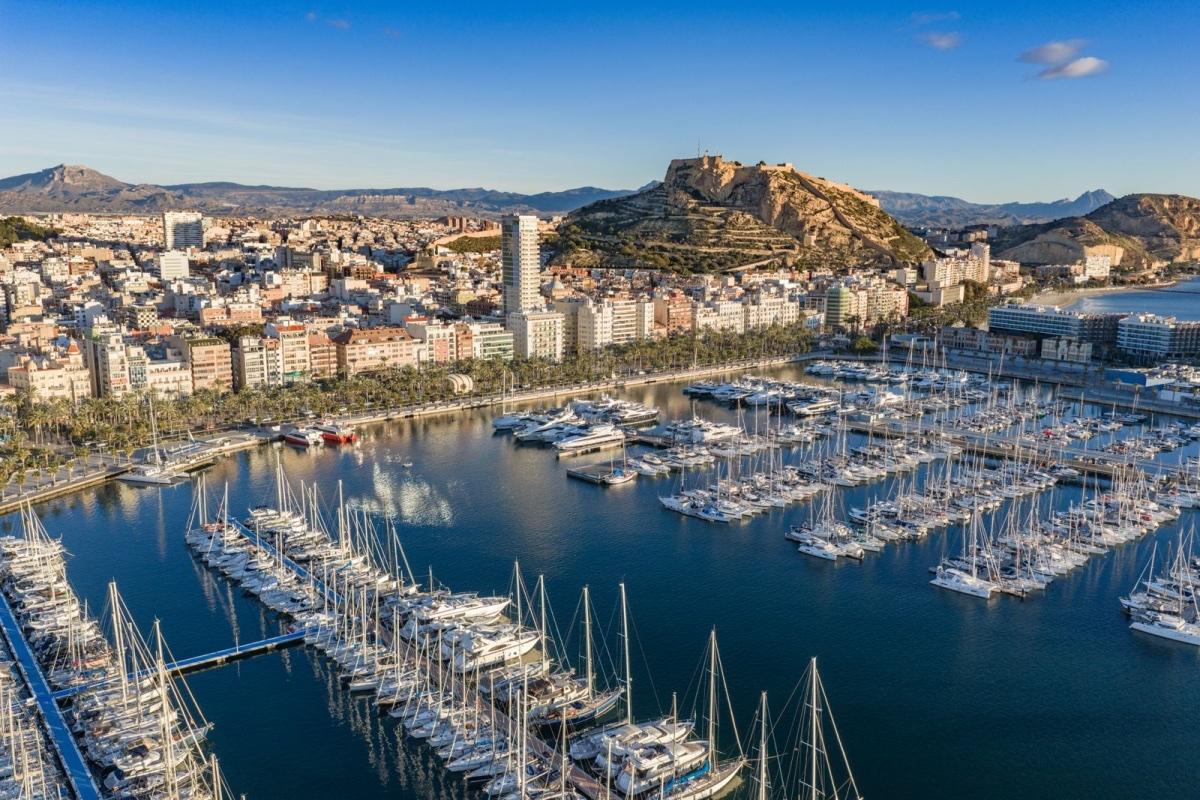
Photo: © Alicante City & Beach
Alicante's postcard is well known: sunshine almost all year round, miles of fine-sand beaches and a deep-blue Mediterranean. But Alicante City & Beach, the city's tourism brand, invites visitors to look beyond the shoreline: Alicante is not just a place to visit, but a place to live. Tradition and modernity, rest and activity, culture and outdoor life, in a city that is easy to explore on foot.
People come to Alicante drawn by the sea. And they come back, almost always, for everything else.
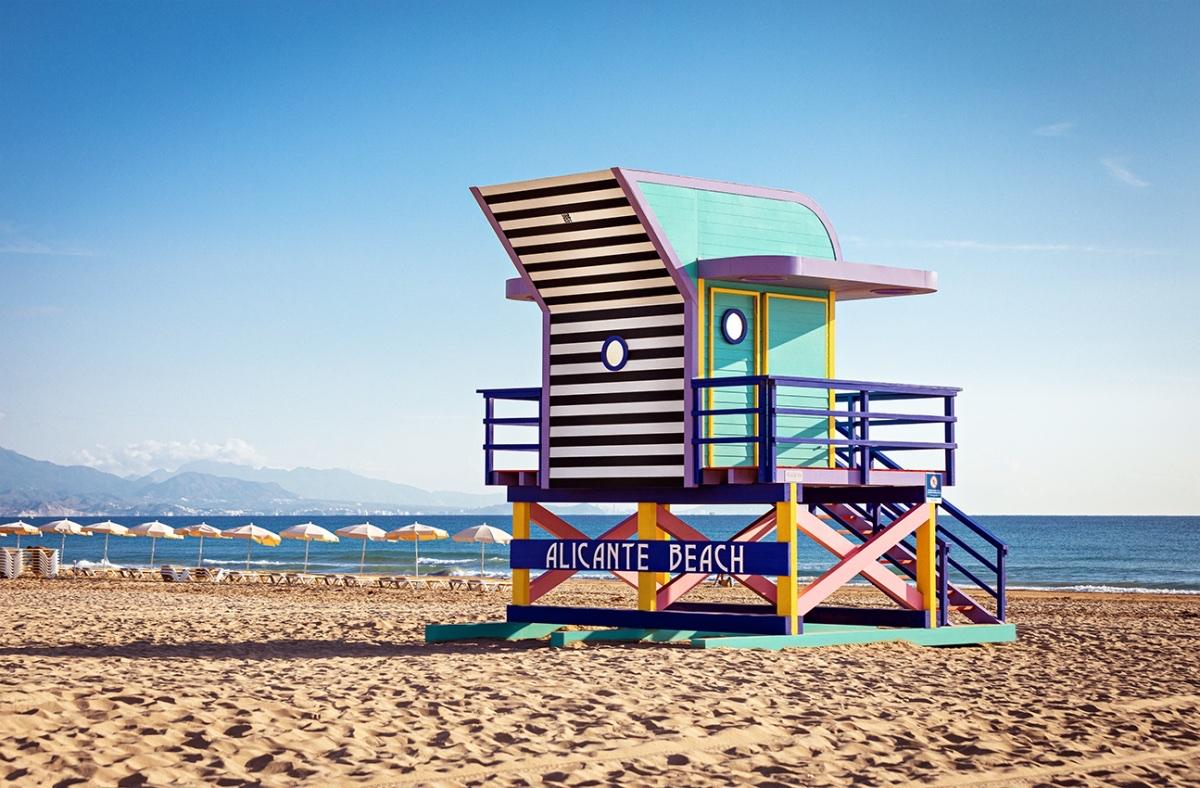
Hut by Antonyo Marest on San Juan beach.
Photo: © Alicante City & Beach
At the table, rice
Its cuisine is one of its defining features: fish, seafood, vegetables and local produce, in time-honoured recipes and contemporary versions alike. There are deeply rooted dishes such as caldero, cocas and salted fish; turrón and toña sweet buns for dessert; and wines with a designation of origin. But the star is rice, in so many variations — some looking to the sea, others inland — that it has become the city's culinary symbol.
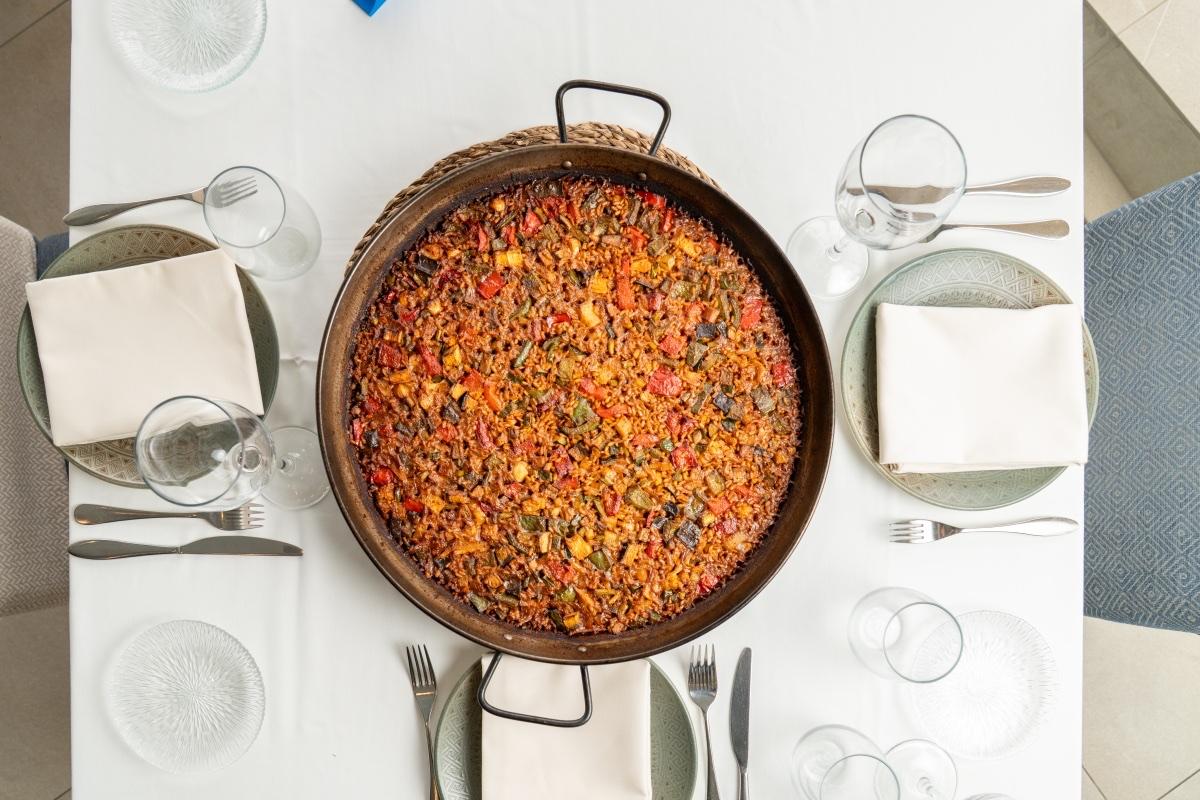
Photo: © Alicante City & Beach
From the castle to the port
Before or after a long lunch, Alicante is best discovered on foot: the old town, with its colourful streets and historic façades; the Basilica of Santa María and the Co-Cathedral of San Nicolás, part of everyday life in the centre; the City Hall square, the Explanada de España and the port. Above it all stands Santa Bárbara castle, a fortress with a thousand years of history and the great viewpoint over the bay, which is the most visited monument in the Valencian Community: the City Council counted 950,210 visitors in 2024. The city's museums of contemporary art, archaeology and fine arts complete the tour.
Two new arrivals: the Venus and Las Cigarreras
The city also has two new cultural attractions. The first is the "Venus of Alicante", a white marble head from the early Roman Empire (1st–2nd century AD), weighing 14 kilos and standing 22 centimetres high, in a superb state of preservation. It was found during the regeneration works on La Almadraba beach, where excavations have uncovered a Roman seaside villa. The City Council plans to display the original in a city museum and to commission a replica.
It is the most important archaeological find in our history.
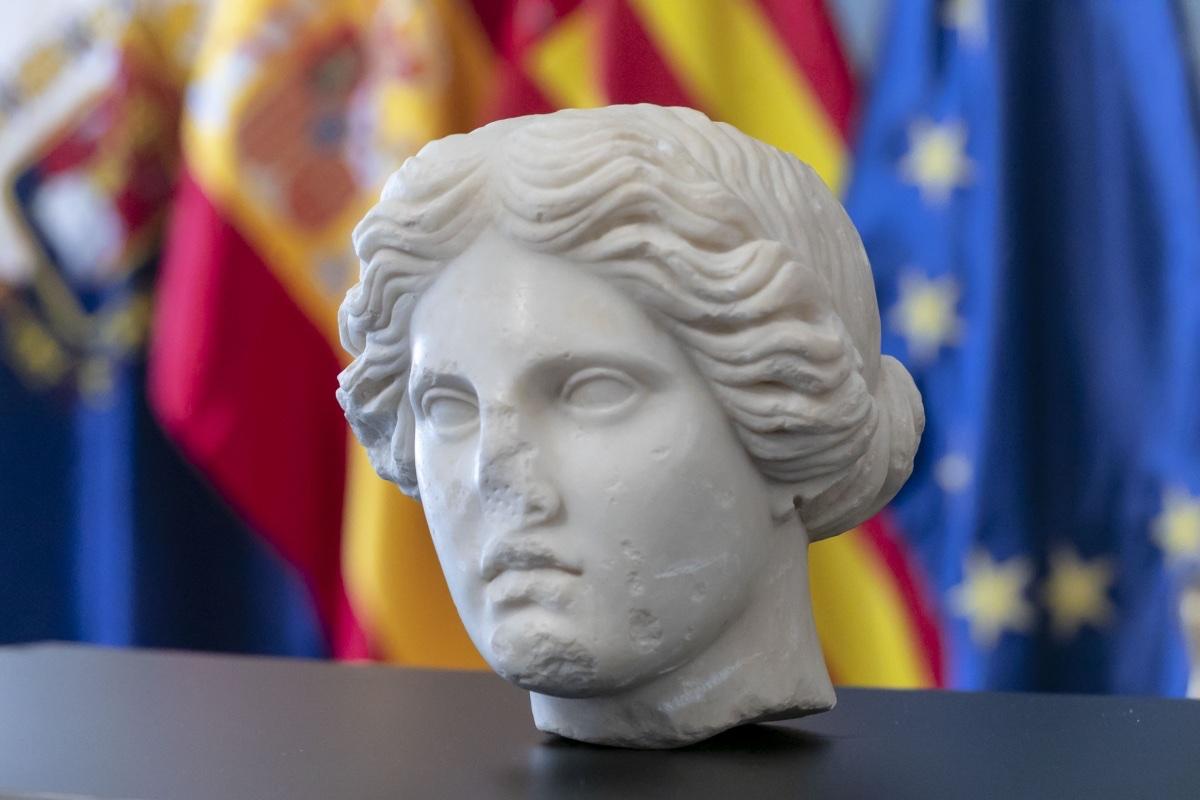
Photo: © Alicante City & Beach
The second is the Las Cigarreras International Museum of Temporary Exhibitions, which the City Council expects to open at the end of 2026 with the exhibition "Patronage and Collecting in the House of Alba". It will be followed by exhibitions devoted to Modigliani, Balenciaga, Baroque masterpieces, Chagall and Sorolla.
All year round, and The Ocean Race in January
Activity does not stop when summer ends: Alicante welcomes visitors every month, with cultural programmes in its museums and heritage sites and festivals such as the Hogueras de San Juan, its great traditional celebration. And in January the sea takes centre stage again: for the sixth consecutive time, the city will be the start port of The Ocean Race, one of the toughest ocean sailing races in the world. From 8 January the port will fill with activities for visitors and locals, and on the 17th the fleet will set sail for Auckland.
A film set with its own light
That light, the variety of locations and a mild climate all year round also attract Spanish and international film and TV productions, with the Ciudad de la Luz studios as the main driving force.
Starting with the sea
At Nowtica we know that way of arriving well: our office is in Marina Alicante, on the Muelle de Levante, right on the waterfront. If your story with Alicante also starts with the sea, come and see us and we will talk your Lagoon project through with you: your first catamaran, shared ownership or a charter programme.